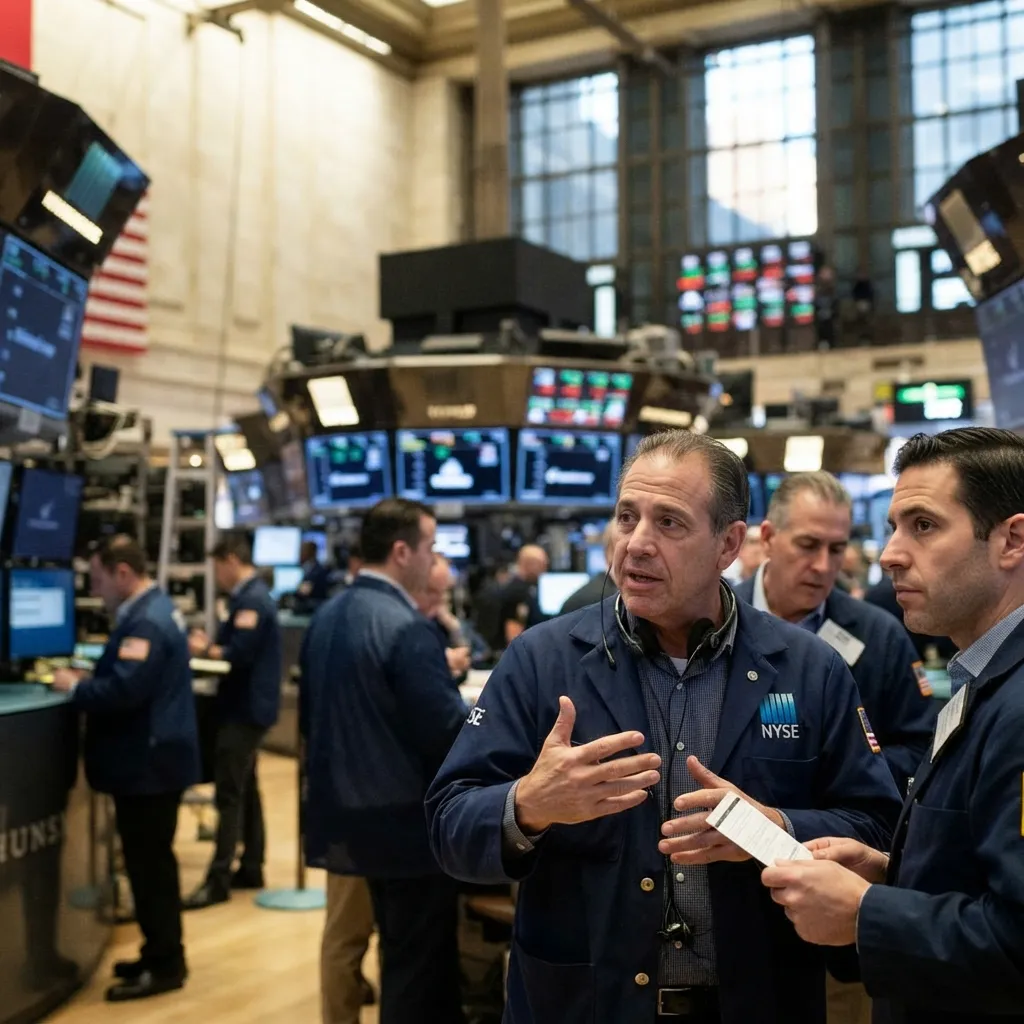
As the calendar winds down toward 2027, many investors find themselves reflecting on their portfolios and wondering where to allocate their next dollar. While the financial world is full of complex strategies and volatile tips, historical data suggests a much simpler path. For those looking to make a single impactful move before the coming year, the evidence points strongly toward investing in a low cost S&P 500 index fund.
One of the most compelling arguments for this timing is rooted in political history. Historically, the third year of a U.S. presidential term has been the strongest for the stock market, boasting significantly higher average gains than any other year in the four year cycle. Analysts suggest this trend occurs because second year midterm elections often result in divided government, creating a stable environment where drastic policy shifts are unlikely, which generally puts investors at ease.
Beyond political cycles, there is the undeniable power of long term growth. The S&P 500 has an incredible track record, having never posted a negative total return over any twenty year window. This reliability is exactly why investment legends like Warren Buffett have advocated for simple index funds over expensive active managers. By focusing on broad market exposure through affordable options like ETFs from Vanguard or State Street, individual investors can capture steady growth without paying high fees that eat into their profits.
Despite these trends, some people still hesitate, hoping to time their entry perfectly to avoid a dip. However, research from JPMorgan Chase warns that this gamble rarely pays off. Investors who missed just ten of the market’s best days saw their performance drop by roughly forty percent compared to those who stayed fully invested. Because the biggest gains often happen immediately after the sharpest drops, staying in the market is usually far more profitable than trying to predict its every move.