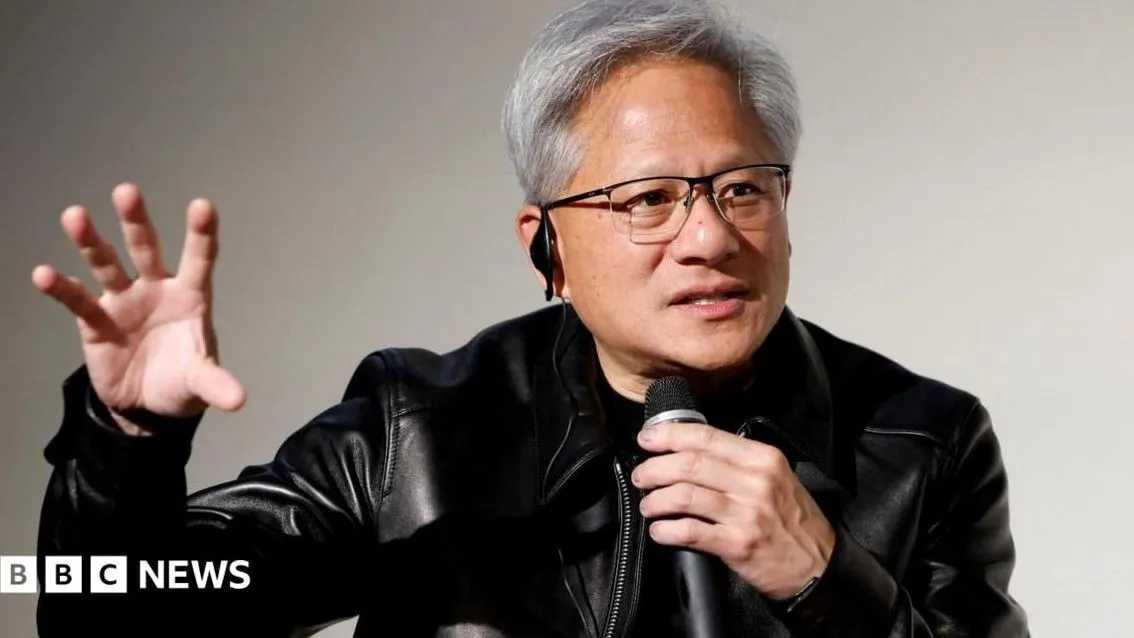
Jensen Huang has been reinstated as the CEO of Nvidia following a high profile period of turmoil and a direct push from President Donald Trump. The move comes after a whirlwind few weeks that saw Huang resign amid allegations of poor judgment regarding personal relationships and lingering concerns over national security. In a conversation with CNBC, President Trump described the reinstatement as exciting news, admitting he spoke with the company’s board both directly and indirectly to advocate for Huang’s return. While acknowledging that some lapses in judgment occurred, the president emphasized that those incidents were largely unrelated to the core mission of the company and insisted that Huang is a genius whose contributions are invaluable to the country.
The path back to leadership was not without significant friction, particularly given previous warnings from Secretary of State Marco Rubio concerning Huang’s ties to an individual alleged to be a Chinese spy. Despite these red flags and reports of inappropriate workplace conduct, Trump dismissed the intelligence threats as unproven and claimed to have provided the necessary assurances to the board. This intervention sparked immediate backlash from political opponents, including Senator Elizabeth Warren, who labeled the decision reckless. Warren argued that reinstating Huang underscores an urgent need for stricter bipartisan export controls to ensure that critical artificial intelligence technology does not end up in the hands of foreign adversaries.
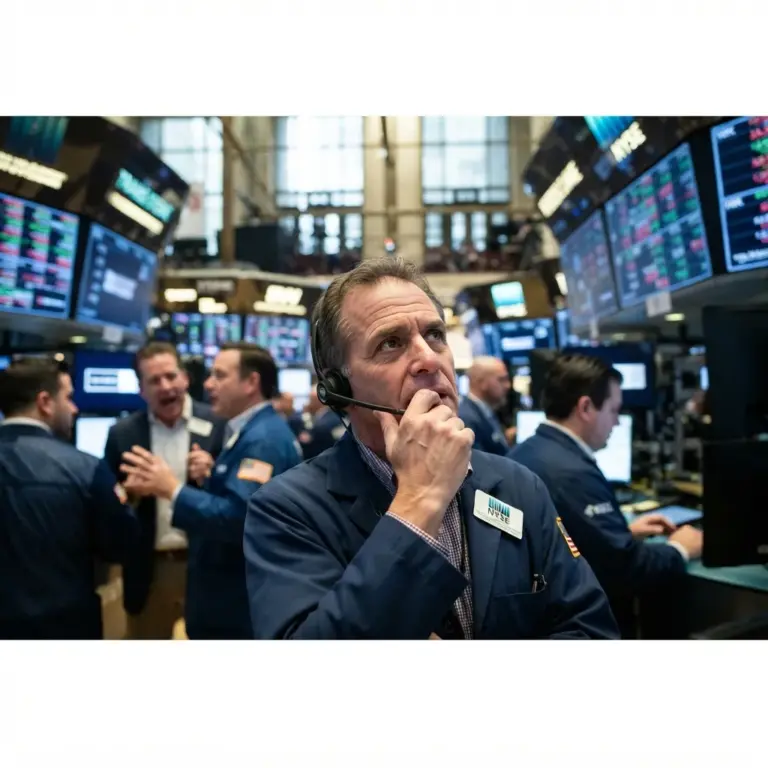
Internal divisions within the Republican party further complicated the narrative, with some lawmakers arguing that Nvidia should have simply moved forward without its founder rather than succumbing to presidential pressure. Critics suggest that prioritizing one man’s career over stringent security protocols could jeopardize the United States’ lead in the global AI race. However, market reactions tell a different story, as Nvidia shares surged following the announcement. For many investors, the sheer amount of capital tied up in AI infrastructure makes Huang’s technical expertise more important than his personal controversies.
Beyond the boardroom drama, this reversal occurs against a backdrop of broader instability in the tech sector and shifting political winds following recent midterm elections. With trillions of dollars projected for AI investment over the coming years, there is growing skepticism among economists about whether these massive bets will eventually yield real profits. While Huang expressed honor at returning to serve his shareholders and employees, his comeback leaves several open questions regarding how Nvidia will navigate increasingly strict U_S government licensing requirements for selling advanced chips to Chinese firms moving forward.