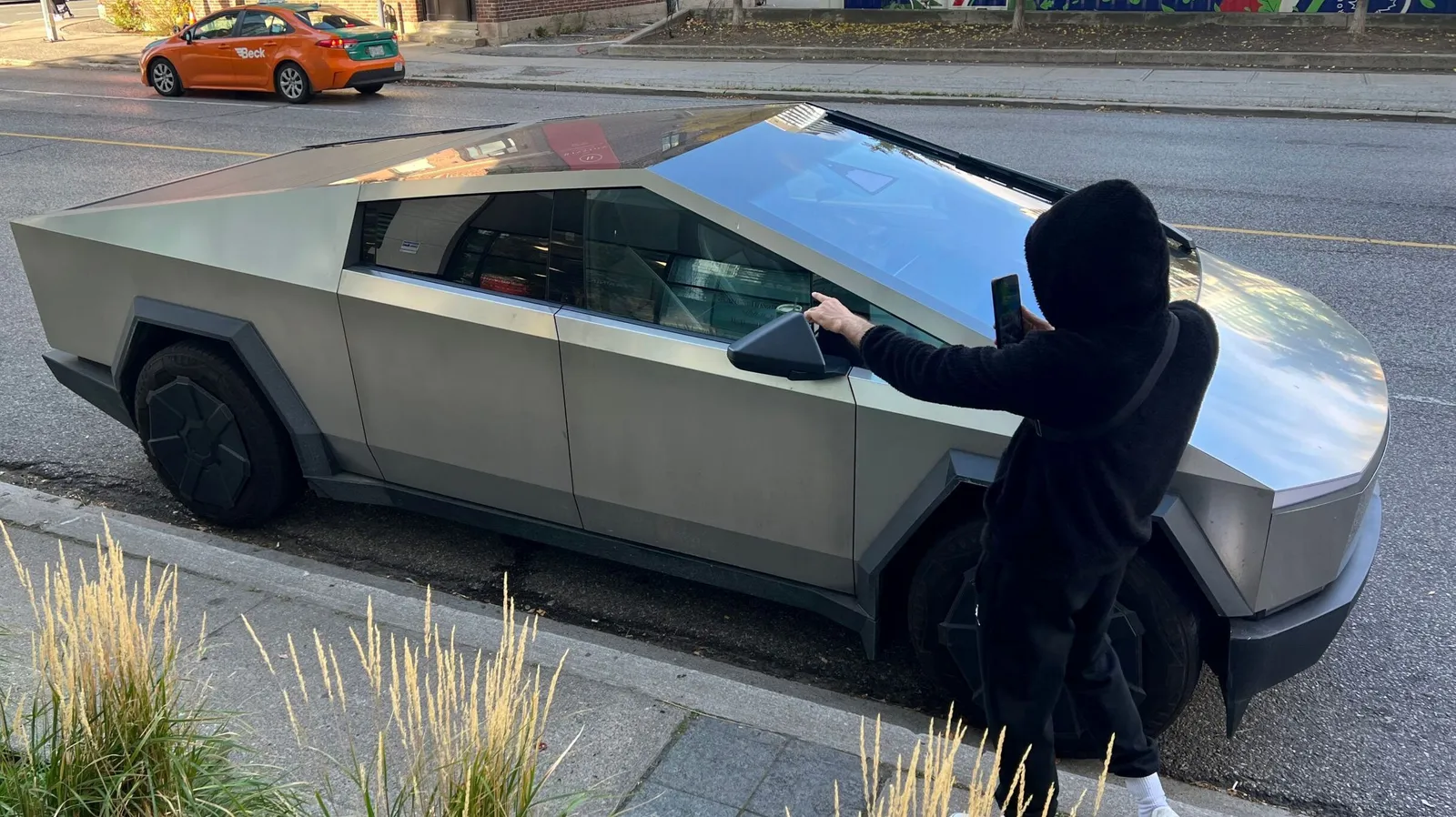
Tesla is officially pulling the plug on the Cybertruck, bringing a quiet end to one of Elon Musk’s most polarizing ventures. What began as a futuristic promise of indestructible utility eventually devolved into a cautionary tale of overambition and engineering hurdles. From its inception, the vehicle was plagued by manufacturing struggles, as Musk pushed for an impossible level of precision that simply could not be replicated on a mass scale. This gap between the CEO’s vision and the actual product resulted in a truck defined more by panel gaps and recalls than by innovation.
The decline became apparent long before the final decision to cease production. While early hype suggested hundreds of thousands of units would fly off the lots, real world demand remained stagnant. Musk himself hinted at the failure late last year, admitting in a candid moment that the company had essentially dug its own grave with the project. Even strategic internal maneuvers, such as shifting large volumes of inventory to SpaceX, failed to mask the fact that consumers were largely uninterested in owning what many viewed as a rolling piece of conceptual art rather than a functional tool.
Beyond the technical failures, the Cybertruck became an unintentional symbol of Musk’s increasingly contentious public persona and political influence. As his visibility shifted from tech visionary to governmental disruptor, the truck’s jarring aesthetic served as a loud signal of ownership that many buyers found alienating. With public sentiment souring toward Musk’s broader ambitions, the desire to advertise those affiliations via a stainless steel pickup plummeted. For those still determined to own a piece of this metallic experiment, time is running out quickly as current stock disappears from showrooms forever.