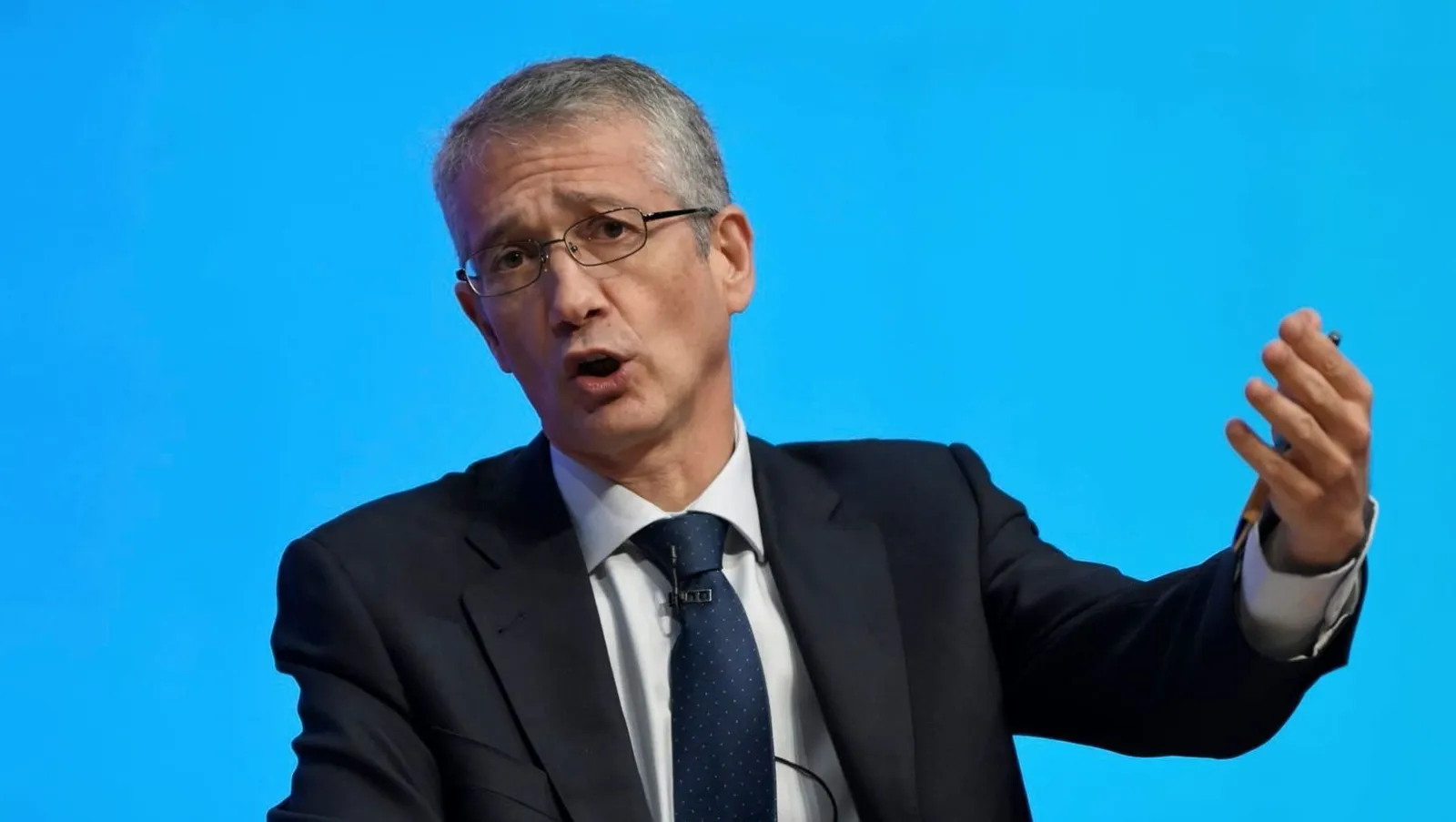
Pablo Hernández de Cos is poised to become the next president of the European Central Bank, stepping into the role currently held by Christine Lagarde. Following a series of high stakes political negotiations at the European Council Summit, euro zone leaders have signaled their backing for the Spaniard. While the appointment still requires formal consultations with the European Parliament and the ECB Governing Council, these bodies lack veto power, making de Cos the clear choice to lead the institution for an eight year term beginning in February 2027.
A seasoned economist and lifelong central banker, de Cos brings a level of technical expertise that some critics felt was missing during Lagarde’s tenure. He climbed every rung of the ladder at the Bank of Spain before serving as its governor from 2018 until mid 2024. His resume further includes leading the Basel Committee on Banking Supervision and his current role as General Manager of the Bank for International Settlements. This pedigree has made him a favorite among those seeking a leader capable of navigating complex inflationary pressures and global financial instability.
Market analysts describe de Cos not as a hawk or a dove, but as an owl, reflecting his pragmatic approach to monetary policy. Throughout his career, he has shown flexibility, supporting aggressive rate hikes during recent energy shocks while previously championing low rates and stimulus packages to jumpstart growth. Experts suggest that appointing a dedicated technocrat sends a powerful message about Europe’s commitment to price stability and central bank independence at a time when such autonomy is under pressure globally.
The selection appears to be part of a broader strategic compromise designed to maintain harmony between Northern and Southern Europe. By pairing de Cos with figures like Germany’s Markus Brunnermeier as chief economist and France’s Laurence Boone heading markets, EU leaders have created a balanced executive board. This arrangement reflects shifting economic tides within the bloc, acknowledging the recent resilience of Mediterranean economies compared to a stuttering German industrial sector, ensuring all major powers feel represented in the steering of the euro zone economy.