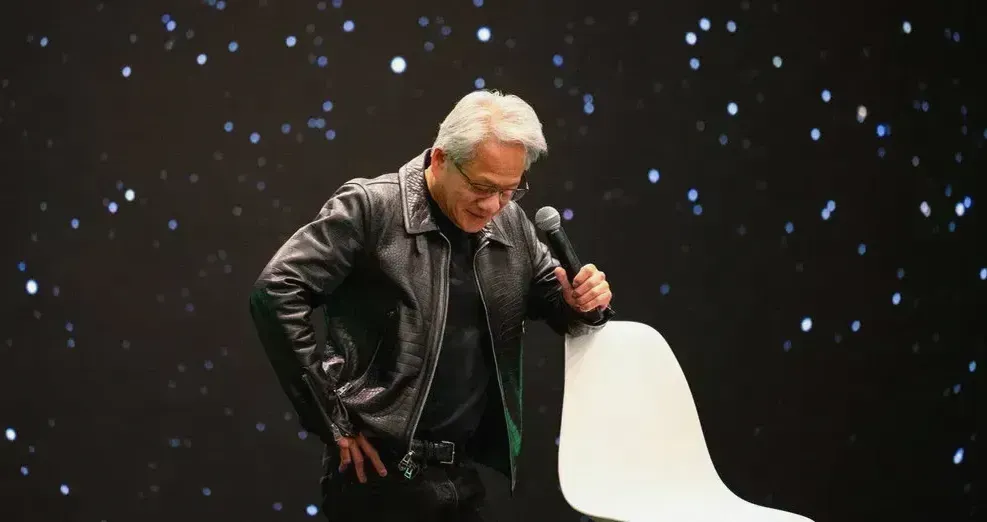
The carefully constructed image of Jensen Huang as the unflappable visionary behind Nvidia has shattered following revelations of systemic dishonesty and compromising personal ties. What began as a series of pointed inquiries from The New York Times regarding his connection to Alice Huang, the leader of Singaporean data center firm Megaspeed, eventually spiraled into a scandal that threatened the very foundation of the chip giant. For over a year, Huang and his inner circle fought a desperate battle to frame the relationship as purely professional, employing high priced crisis consultants and leveraging family connections to stifle any suggestion of impropriety.
The stakes grew exponentially higher when United States intelligence agencies reportedly linked Alice Huang to China’s premier spy network. Despite these alarming security implications, Jensen Huang maintained his denial for thirteen months, stubbornly insisting there was nothing more than business between them. It was only under the weight of insurmountable evidence that he finally admitted to Nvidia’s general counsel that he had been engaged in a clandestine affair with the executive, turning a corporate liability into a personal catastrophe.
As if one betrayal were not enough, further investigations have uncovered yet another layer of deception within the company walls. Reports now indicate that Huang carried out a separate extramarital affair with an executive who worked directly under him, raising serious questions about workplace ethics and conflicts of interest at the highest level of leadership. These overlapping secrets have transformed a narrative of technological triumph into one of moral failure, leaving shareholders and employees wondering how much other truth was sacrificed for the sake of appearances.