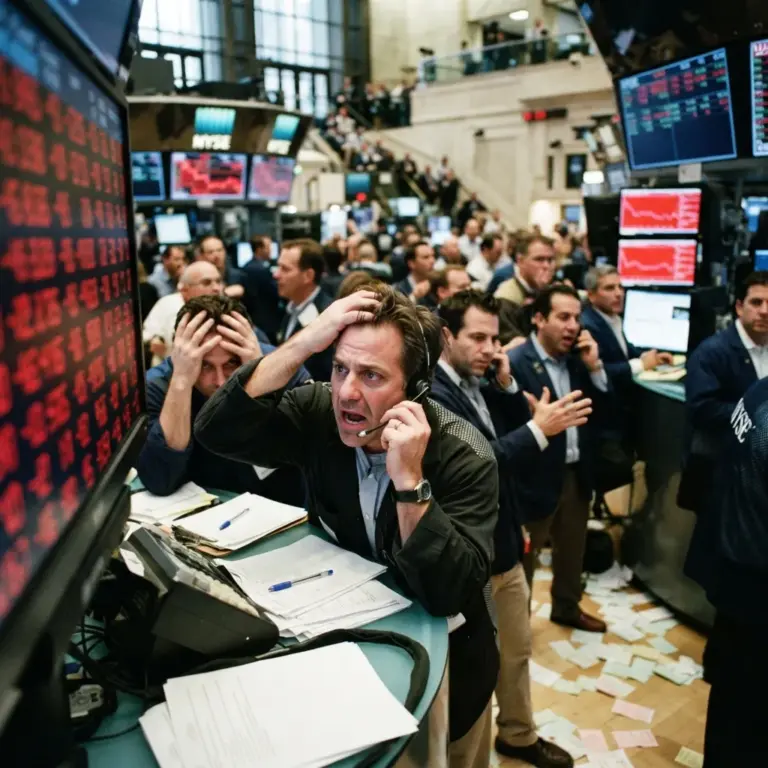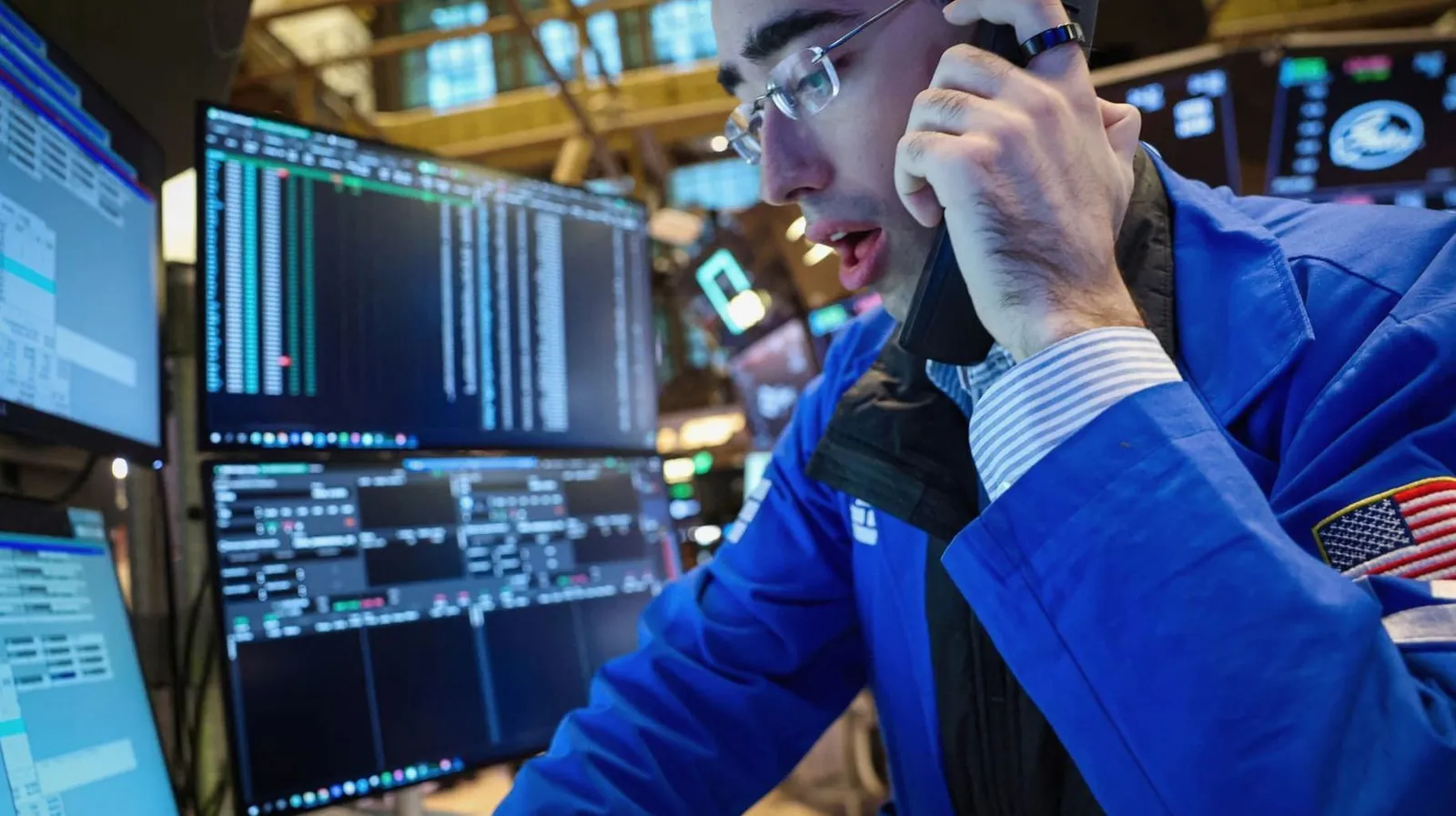
Wall Street experienced a bruising week as the S&P 500 and Dow Jones Industrial Average both slid into correction territory, dropping more than ten percent from their recent peaks. For months, investors seemed to ignore growing warning signs, but according to Wharton professor Jeremy Siegel, the market finally reached a breaking point where small pressures acted like straws that broke the camel’s back. The damage was most acute in tech heavy indices, with the Nasdaq Composite wiping out its yearly gains and the Nasdaq 100 dipping into bear market territory during intraday trading.
Much of the carnage can be traced back to a sudden cooling of the artificial intelligence boom. The massive IPO of AI leader Anthropic appeared to trigger a collective cash out for early investors, leaving retail traders feeling abandoned as shares tumbled shortly after debuting. This sentiment was compounded by a disastrous period for Nvidia, which saw its stock plummet amid reports of an SEC probe into its accounting practices. Adding to the chaos, former CEO Jensen Huang resigned following allegations involving a foreign spy and potential violations of chip export bans to China, stripping away much of the confidence that had previously buoyed the semiconductor sector.
Beyond the turmoil in AI, broader economic headwinds are pushing investors toward the exits. Persistent inflation fueled by geopolitical tensions in Iran has kept oil prices elevated and forced Federal Reserve officials to signal more aggressive interest rate hikes. With treasury yields spiking and Governor Christopher Waller suggesting a possible half percentage point increase next month, Wall Street is bracing for a central bank determined to curb rising costs at any cost. Meanwhile, technical indicators shifted negatively as the S&P 500 broke through its two hundred day moving average, triggering automated selling from institutional trend followers who accelerated the downward spiral.
Adding fuel to the fire is evidence that corporate earnings growth is losing steam. Once explosive revenue jumps for AI firms are beginning to decelerate, raising questions about whether valuations were fundamentally detached from reality. Fears regarding tighter regulations on data center construction following shifts in political control have further dampened enthusiasm for infrastructure plays like CoreWeave and Caterpillar. What began as a cautious dip has evolved into a systemic retreat as investors realize that neither technological optimism nor historical trends can shield them from current macroeconomic realities.